

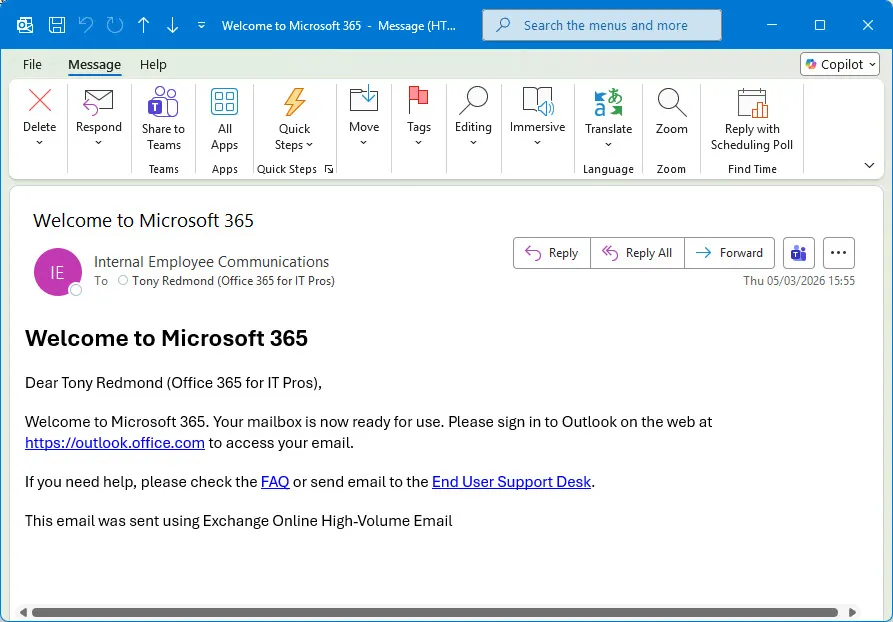
Send large volumes of internal system emails without mailbox limits or service disruption: effective March 31, 2026, High Volume Email in Exchange Online becomes generally available, with usage billing starting on June 1, 2026.
Summary
- High Volume Email is now generally available in Exchange Online
- Designed specifically for automated internal emails, such as payroll alerts
- Uses dedicated service accounts, instead of user or shared mailboxes
- Usage-based pricing applies from June 1, 2026
- Organizations should review system email usage and cost exposure
Why Microsoft introduced High Volume Email
- Email remains a core delivery mechanism for internal operations such as payroll, IT monitoring, security alerts, and business applications.
- At the same time, Exchange Online is optimized for human communication and protects service health through strict sending limits.
- Many organizations bridged this gap by using shared mailboxes, repurposed user accounts, on‑premises relays, or third‑party SMTP services.
- These workarounds do not scale well, increase operational and compliance risk, and complicate governance.
High Volume Email: The solution for large-scale internal email delivery
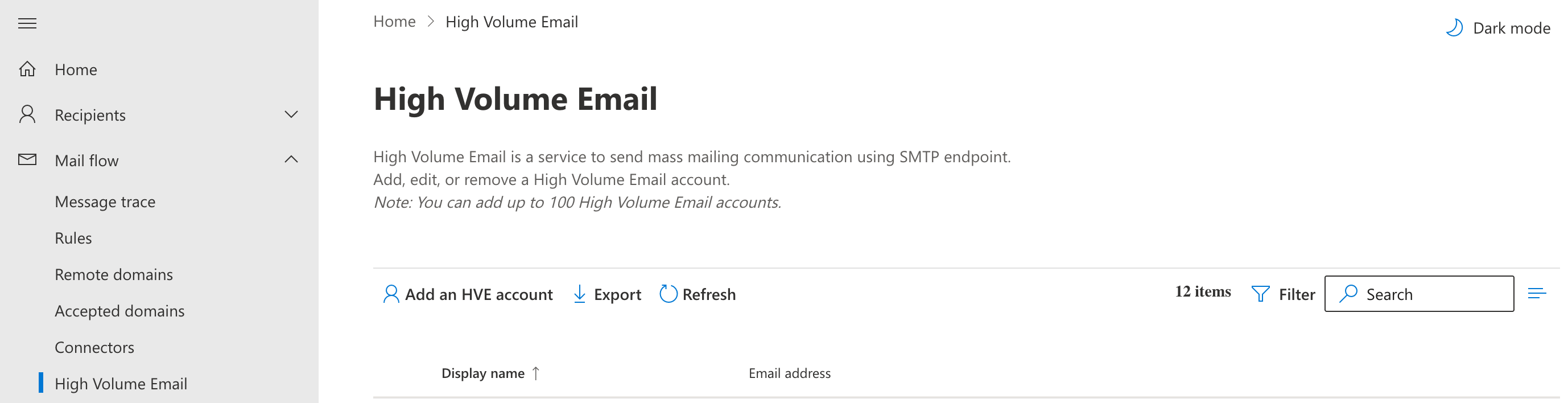
- To address this gap, Microsoft introduces High Volume Email (HVE) as a built-in feature of Microsoft Exchange Online, part of Microsoft 365.
- High Volume Email is designed specifically for large-scale internal email delivery from systems, applications, and devices to employees.
- Instead of using mailboxes, emails are sent through dedicated High Volume Email service accounts. This clearly separates system messaging from person‑to‑person email.
- All messages remain fully inside Microsoft 365 and automatically inherit existing security, compliance, retention, and audit policies.
- By isolating automated email traffic, Exchange Online service health is protected and unsupported workarounds are eliminated.
- High Volume Email is intended strictly for operational and transactional messages and is not designed for newsletters, campaigns, or marketing communication.
Licensing and pricing overview
Between March 31, 2026, and June 1, 2026, High Volume Email is available at no additional cost.
From June 1, 2026, High Volume Email uses a consumption-based licensing model.
It is not included in Exchange Online or Microsoft 365 subscriptions.
Billing is calculated per expanded internal recipient. This ensures that costs scale directly with actual system email usage.
| Licensing element | Description |
| Pricing model | Usage-based |
| Price* | $42 per one million recipients |
| Cost per recipient* | $0.000042 |
| Included in Microsoft 365 | No |
| Recipient scope | Internal only |
| Billing method | Microsoft commerce |
This model improves cost transparency and removes incentives to misuse shared or user mailboxes.
*Prices in this article are for educational purposes only and are non-binding.
Where High Volume Email fits in the Microsoft ecosystem
Microsoft now offers two distinct email models, each optimized for a different audience:
| Scenario | Service |
| Internal system emails to employees | Exchange Online – High Volume Email |
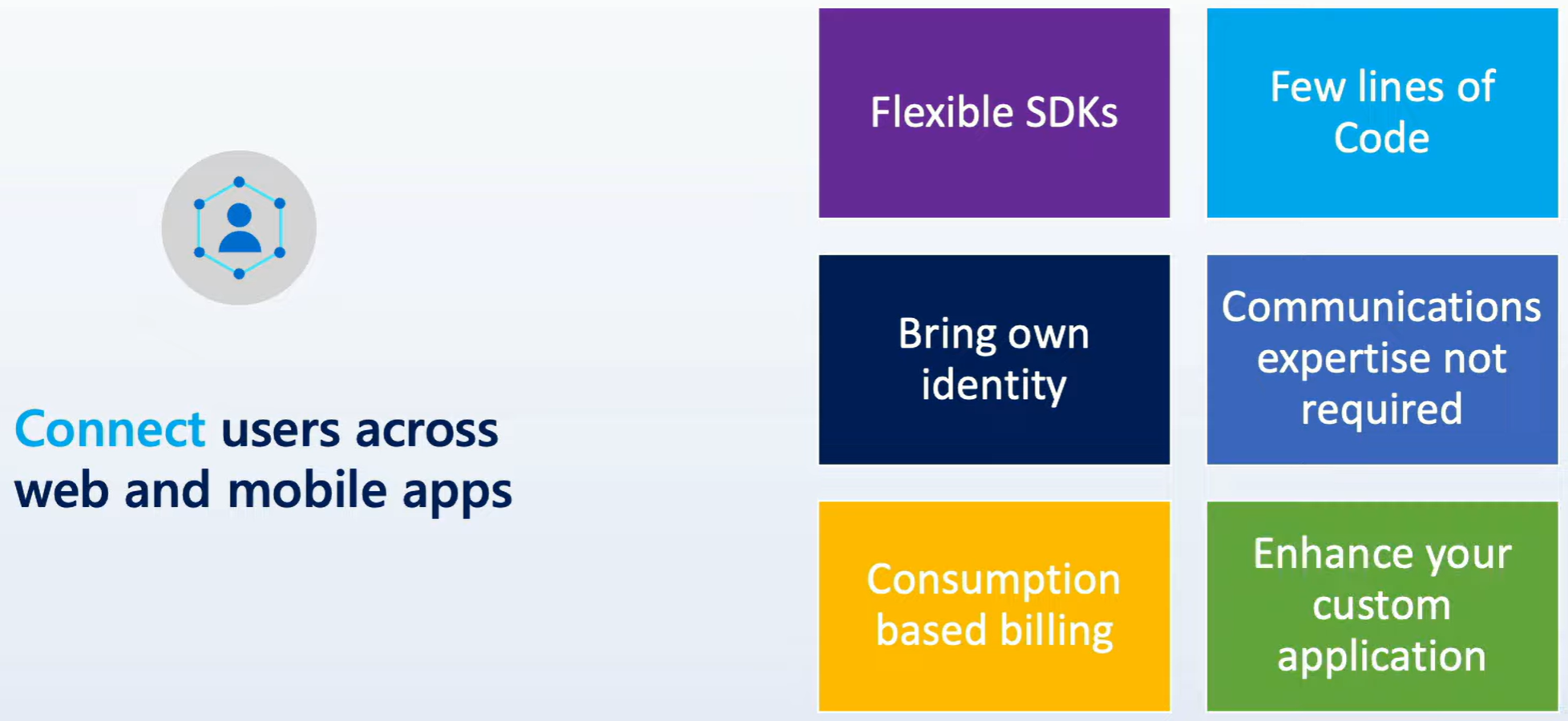
| External customer communication | Azure Communication Services (Email) |

High Volume Email vs. Azure Communication Services
| Dimension | Exchange Online – High Volume Email | Azure Communication Services |
| Primary audience | Internal employees and internal systems | External customers and end users |
| Core purpose | Operational and transactional system emails for employees | Customer communication and engagement |
| Platform | Microsoft 365 tenant-native (Exchange Online) | Azure-native application platform |
| Supported channels | Email only | Email, SMS, voice, chat |
| Governance model | Governance-first and compliance-driven | Application-level governance |
| Security and compliance | Inherits Microsoft 365 security, compliance, retention, and audit policies | Depends on custom application and Azure configuration |
| Typical sender | IT systems, business applications, devices | Custom applications and customer-facing services |
| Typical use cases | Payroll alerts, IT monitoring, security notifications, system messages | Customer notifications, multi-channel engagement, outbound communication |
| Pricing model | Usage-based per internal recipient | Consumption-based per channel and usage type |
| External email support | No | Yes |
Find a comprehensive article on Azure Communication Services (Email) here: https://www.schneider.im/microsoft-azure-communication-services-handling-high-volume-email-traffic/.
Is High Volume Email relevant for my organization?
It is typically relevant if:
- Your IT or business systems send automated internal emails such as payroll, alerts, or notifications.
- These emails are sent via user or shared mailboxes, creating throttling or reliability risks.
- You operate SMTP relays or third‑party mail services only for internal system email.
- Auditability, compliance, and traceability are required for internal messages.
- You need clear cost visibility for internal email usage.

High Volume Email is usually not required if:
- Emails are sent by users, instead of systems.
- Messages target external customers or marketing audiences.
- Email volume is low and does not create operational risk.
In short, High Volume Email is relevant when internal email must be scalable, controlled, and governed inside Microsoft 365.
How to get started with High-Volume Email
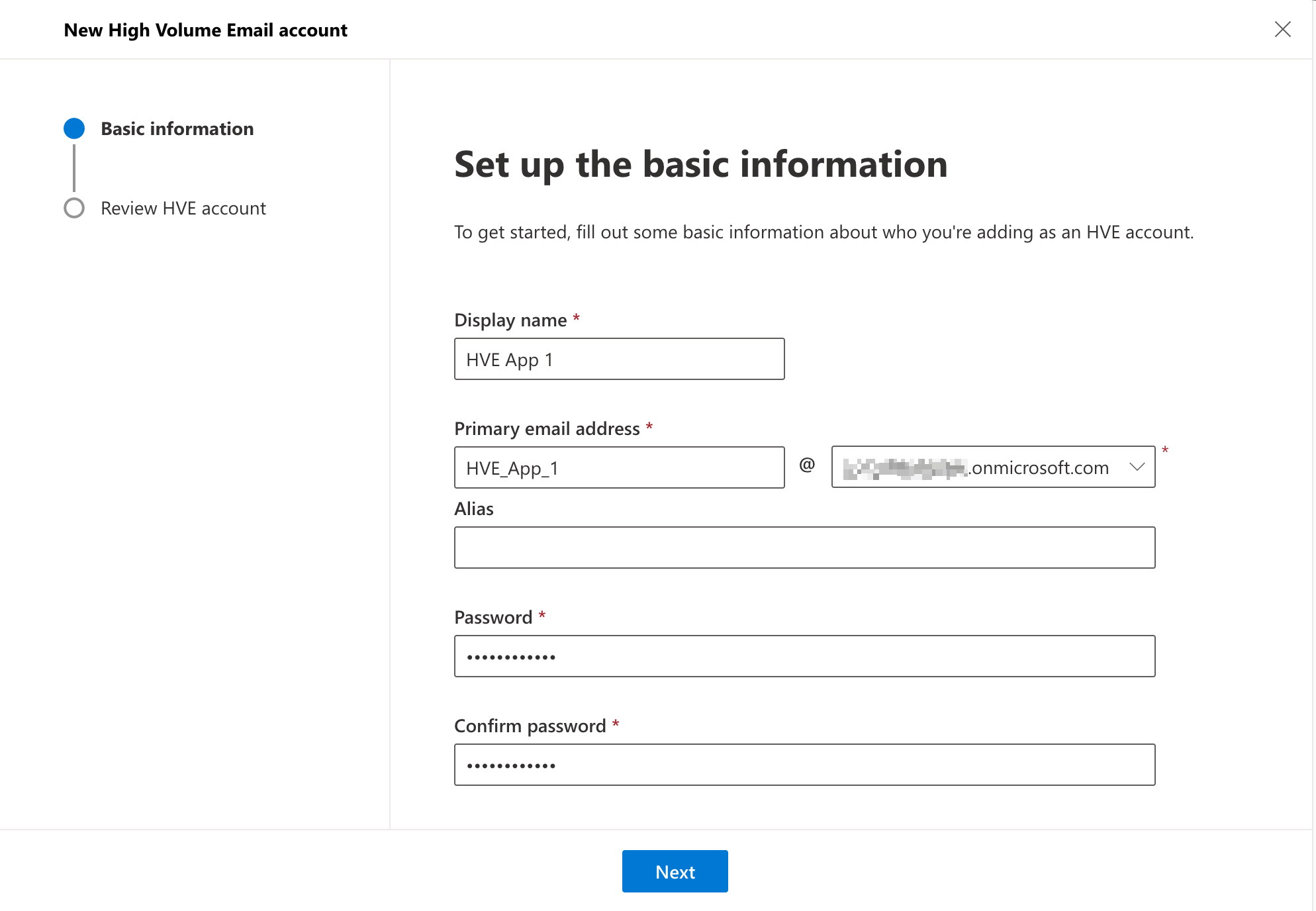
High Volume Email can be configured directly in the Exchange admin center under Mail flow, without additional setup outside Microsoft 365.
Because High Volume Email is tenant‑native and built into Exchange Online, organizations can enable it without new infrastructure or third‑party services. This makes it easier to modernize application email workflows and retire legacy SMTP solutions.
Ready to review your internal email architecture?

High Volume Email introduces a clear architectural and licensing decision within Microsoft 365. SCHNEIDER IT MANAGEMENT supports organizations in selecting the correct Microsoft service, assessing licensing and cost impact, and designing a compliant, scalable internal email setup aligned with Microsoft best practices. Contact our Microsoft licensing experts today to make sure, you make the most of your Exchange Online setup.
Sources
For the announcement of Microsoft Exchange Online High Volume Email, please visit:
https://techcommunity.microsoft.com/blog/microsoft_365blog/high-volume-email-is-now-available-in-exchange-online/4505302.
Exchange Online Admin center: https://admin.exchange.microsoft.com/.
Learn how to manage High Volume Email here: https://learn.microsoft.com/en-us/exchange/mail-flow-best-practices/high-volume-mails-m365.
For useful software licensing information on Microsoft products, please visit:
https://www.schneider.im/software/microsoft/.